
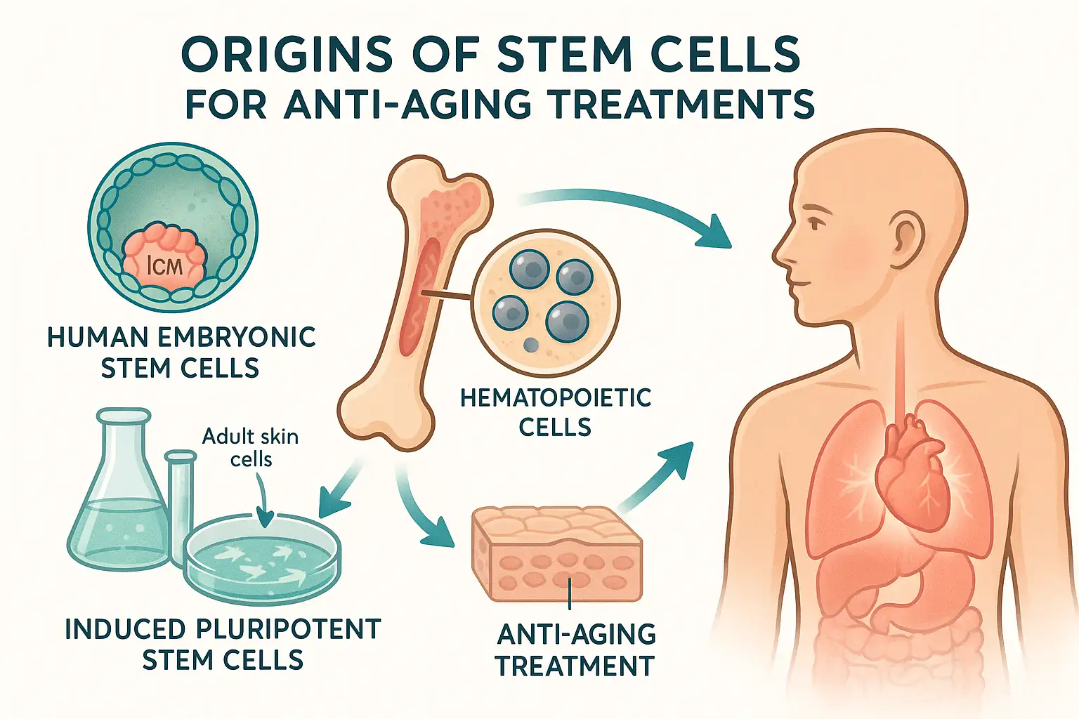
Stem cells play an important role in many modern regenerative and anti-aging therapies. Understanding where stem cells come from helps individuals make informed decisions about their wellness plans and feel confident about the treatments they choose. Clinics that focus on longevity and restorative care rely on several stem cell sources, each with unique characteristics that influence how they are used.
Where do you get stem cells? Find out more about the primary origins of stem cells used in regenerative therapy, how they support individual treatment goals, and the steps reputable clinics follow to ensure safety and transparency.
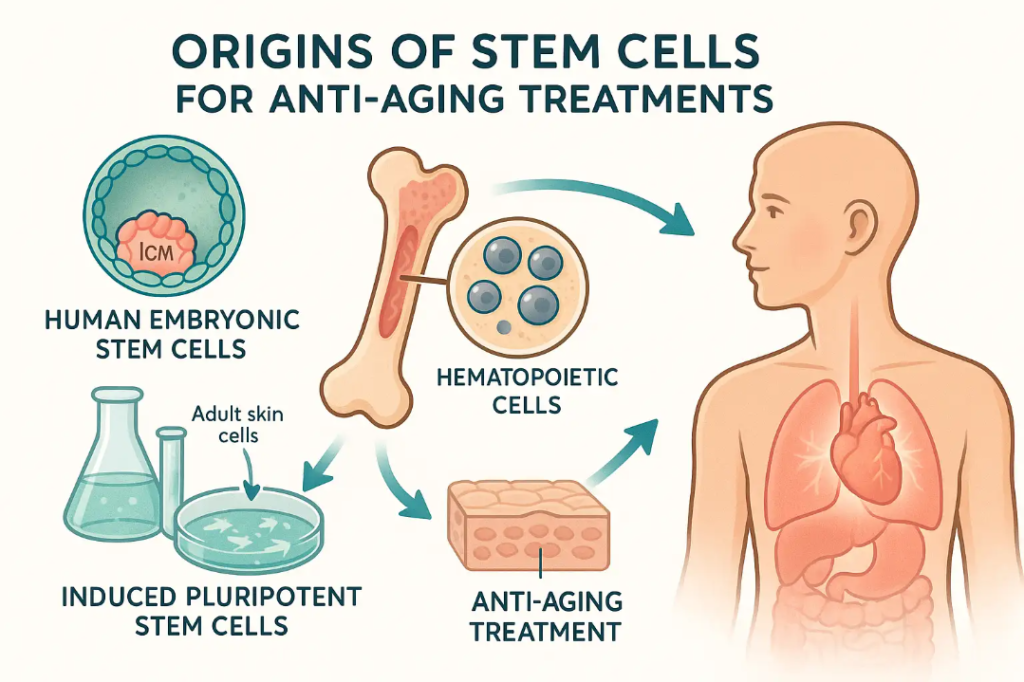
How Stem Cells Are Sourced for Anti-aging and Regenerative Care
Stem cells are special because they have the ability to develop into different types of cells and support natural repair. This makes them valuable tools for individuals seeking improved comfort, healthy aging support, and tissue renewal.
Stem cells may come from the client’s own body or from carefully screened donors. Each approach has advantages depending on the intended use, overall health, and the nature of the treatment.
Across the industry, responsible clinics follow strict guidelines to ensure that all stem cells, whether collected from the individual or a donor, meet medical-grade quality standards. This includes screening, testing, and processing protocols that support a safe experience.
Adult Stem Cells: The Most Common Source for Clinical Treatments
Adult stem cells are widely used because they originate from fully developed tissues and can be collected safely. They are considered highly compatible with the person receiving treatment and have been studied extensively in regenerative medicine.
Many anti-aging clinics work with adult stem cells collected from bone marrow, adipose tissue, and other tissue-specific sources. These cells contain regenerative properties that support the goals of anti-aging therapies, such as improving comfort, supporting tissue repair, and encouraging healthier skin.
Bone Marrow
Bone marrow is one of the most established sources for adult stem cells. It is typically collected from the pelvic bone during a procedure designed for comfort and precision. Bone marrow contains several types of stem cells, including marrow stem cells capable of supporting bone, cartilage, muscle, and vascular tissues. This versatility makes it a practical option for individuals seeking structural or functional support.
Adipose Tissue
Adipose tissue provides another abundant and minimally invasive source of adult stem cells. These cells carry regenerative and calming properties that make them suitable for treatments involving skin, joints, and soft tissues. Because adipose tissue is easy to access, it allows clinics to collect a substantial concentration of viable cells with minimal recovery time.
These adult stem cell methods support many anti-aging goals while maintaining compatibility with the individual. This helps reduce the risk of complications and promotes better overall outcomes.
Additional Stem Cell Sources: Cord Blood, Umbilical Cord Tissue, and Peripheral Blood
Beyond adult stem cells, there are other clinically recognized sources that may be used depending on the treatment plan and regulatory guidelines.
Cord Blood
Cord blood contains stem cells collected from the umbilical cord soon after birth. These cells are known for their youthful characteristics and strong regenerative potential. They are stored in specialized facilities and released only after strict screening. Although not used in every clinic, cord blood remains an important stem cell source to include for informational context and optimization alignment.
Umbilical Cord Tissue
Umbilical cord tissue also contains valuable cells. Their natural growth potential makes them appealing for certain regenerative applications. When used in clinical settings, these cells undergo extensive testing and quality control before being approved for therapy.
Peripheral Blood
Peripheral blood stem cells circulate in the bloodstream and can be collected through a process that concentrates stem cells for therapeutic use. This method is commonly associated with hospital-based treatments but is relevant for readers seeking information on all stem cell sources used in modern therapy.
Dental Pulp Stem Cells: An Emerging Option in Regenerative Care
Dental pulp, located inside natural teeth, is another innovative source of stem cells. These cells have strong growth potential and the ability to adapt into various cell types. This makes them valuable for a wide range of regenerative treatments in both medical and anti-aging settings.
Why Dental Pulp Is Notable
Dental pulp stem cells are youthful, accessible, and collected during procedures such as wisdom tooth removal. This approach offers several advantages:
- The collection process can be coordinated with routine dental care.
- The cells show strong potential for supporting natural tissue repair.
- Their low immunogenicity helps reduce the risk of complications.
These characteristics position dental pulp as an appealing option for individuals seeking next-generation regenerative solutions.
Applications in Anti-aging Therapy
Because dental pulp stem cells grow rapidly and display versatile behavior, they may support treatments involving skin quality, tissue repair, and cellular health. Clinics that offer advanced regenerative options may discuss this source with clients who want broader treatment possibilities.
How Reputable Clinics Maintain Quality, Transparency, and Safety
For individuals researching where to get stem cells, understanding the safety protocols behind treatment is just as important as understanding the source of the cells themselves. Each batch of cells is subjected to laboratory testing to confirm purity, viability, and suitability for therapeutic use. Certified labs evaluate every sample to reduce contamination risks and support consistent, predictable outcomes.
When donor cells are used, the clinic follows strict medical regulations that protect both donors and recipients. Donations undergo thorough screening before being approved for clinical application, ensuring that all materials meet the ethical and scientific requirements necessary for safe regenerative therapy. Throughout the process, patients receive clear explanations about the type of stem cells recommended for their needs, how the cells were collected, and the results they may reasonably expect. This level of communication builds confidence and helps individuals make informed decisions about their care.
Transparency plays an important role in cultivating trust. When patients understand where their stem cells come from and how they are handled, they feel reassured that their treatment aligns with their values and health goals. Clinics committed to openness and education empower individuals to take an active role in their wellness journey, creating a foundation for long-term satisfaction and successful outcomes.
Start Your Regenerative Stem Cells Treatment Plan with Confidence
If you want to learn how stem cell therapy may support your wellness or anti-aging goals, Naples Anti Aging Clinic offers personalized consultations and scientifically guided treatment options. Their team provides clear information about stem cell sourcing, collection methods, and the therapeutic value of each option.
Schedule your consultation today to take the first step toward a tailored regenerative plan designed to support long-term comfort and vitality.